
The Complete Guide to Choosing the Best Pavers for Your Florida Home
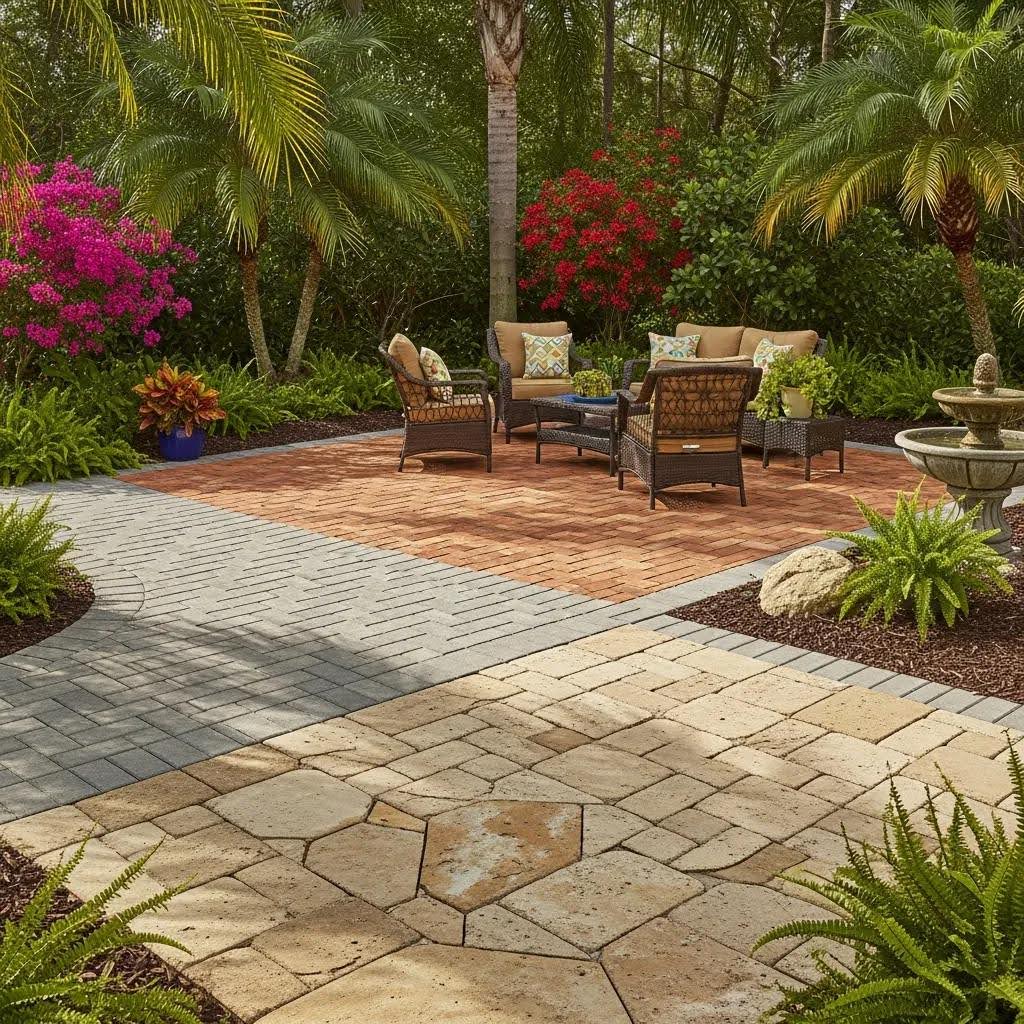
Selecting the right pavers for your Florida home is crucial for both aesthetic appeal and functionality. With the state's unique climate and environmental conditions, homeowners must consider various factors when choosing materials. This guide will provide you with comprehensive insights into the best types of pavers, their durability, installation processes, and maintenance practices tailored for Florida's specific needs. Many homeowners struggle with the overwhelming options available, leading to confusion and potential missteps in their selection. By understanding the characteristics of different paver types and their suitability for Florida's climate, you can make informed decisions that enhance your home's value and curb appeal. This article will cover the best types of pavers, how Florida's climate affects paver selection, cost considerations, installation processes, maintenance tips, and sustainability factors.
What Are the Best Types of Pavers for Florida Homes?
When it comes to choosing pavers for Florida homes, several types stand out due to their durability and aesthetic appeal. The best options include concrete pavers, brick pavers, permeable pavers, and natural stone pavers. Each type offers unique benefits that cater to the specific needs of Florida homeowners.
How Do Concrete, Brick, Permeable, and Natural Stone Pavers Compare?
Concrete pavers are popular for their versatility and cost-effectiveness, especially for driveway paver installation. They come in various shapes, colors, and sizes, making them suitable for any design preference. Brick pavers, known for their classic look, provide excellent durability and can withstand Florida's heat. Permeable pavers are designed to allow water to pass through, reducing runoff and promoting drainage, which is essential in Florida's rainy season. Natural stone pavers, while often more expensive, offer unmatched beauty and longevity, making them a luxurious choice for homeowners.
How Does Florida's Climate Affect Paver Durability and Selection?
Florida's climate presents unique challenges that can impact the durability and selection of pavers. The high heat, humidity, and exposure to salt from coastal areas necessitate careful consideration of materials.
What Heat, Humidity, and Salt Exposure Challenges Impact Pavers?
Heat can cause some materials to expand and contract, leading to cracking or shifting. Humidity can promote mold and mildew growth, particularly on surfaces that retain moisture. Additionally, salt exposure from ocean air can deteriorate certain materials over time. Therefore, selecting pavers that can withstand these conditions is vital for long-term performance.
Research emphasizes the importance of selecting climate-adaptive pavement technologies to ensure long-term performance and sustainability in Florida's unique environmental conditions.
Climate-Adaptive Pavement for Florida Conditions
Hence, PCI has been selected as the preferred approach in this study. It assigns pavement performance ratings, providing actionable insights not only for Florida’s unique climatic conditions but also represents a comprehensive framework for evaluating pavement sustainability.
Quantitative analysis of Climate-Adaptive pavement technologies: mitigating environmental impact and enhancing economic viability in urban infrastructure, A Shehadeh, 2025
What Are the Typical Costs and Budget Considerations for Paver Installation in Florida?
Understanding the costs associated with paver installation is essential for budgeting effectively. The price of pavers can vary significantly based on the material chosen, the complexity of the installation, and regional labor costs.
How Do Material and Labor Influence Installation Prices?
Concrete pavers typically range from $2 to $6 per square foot, while brick pavers can cost between $3 and $10 per square foot. Natural stone pavers are often the most expensive, ranging from $10 to $30 per square foot. Labor costs can add an additional $3 to $7 per square foot, depending on the complexity of the installation. Homeowners should also consider additional expenses such as base material and joint sand, which can impact the overall budget.

This table illustrates the cost differences among various paver types, helping homeowners make informed decisions based on their budget and desired aesthetic.
How is the Paver Installation Process Done for Florida Driveways?
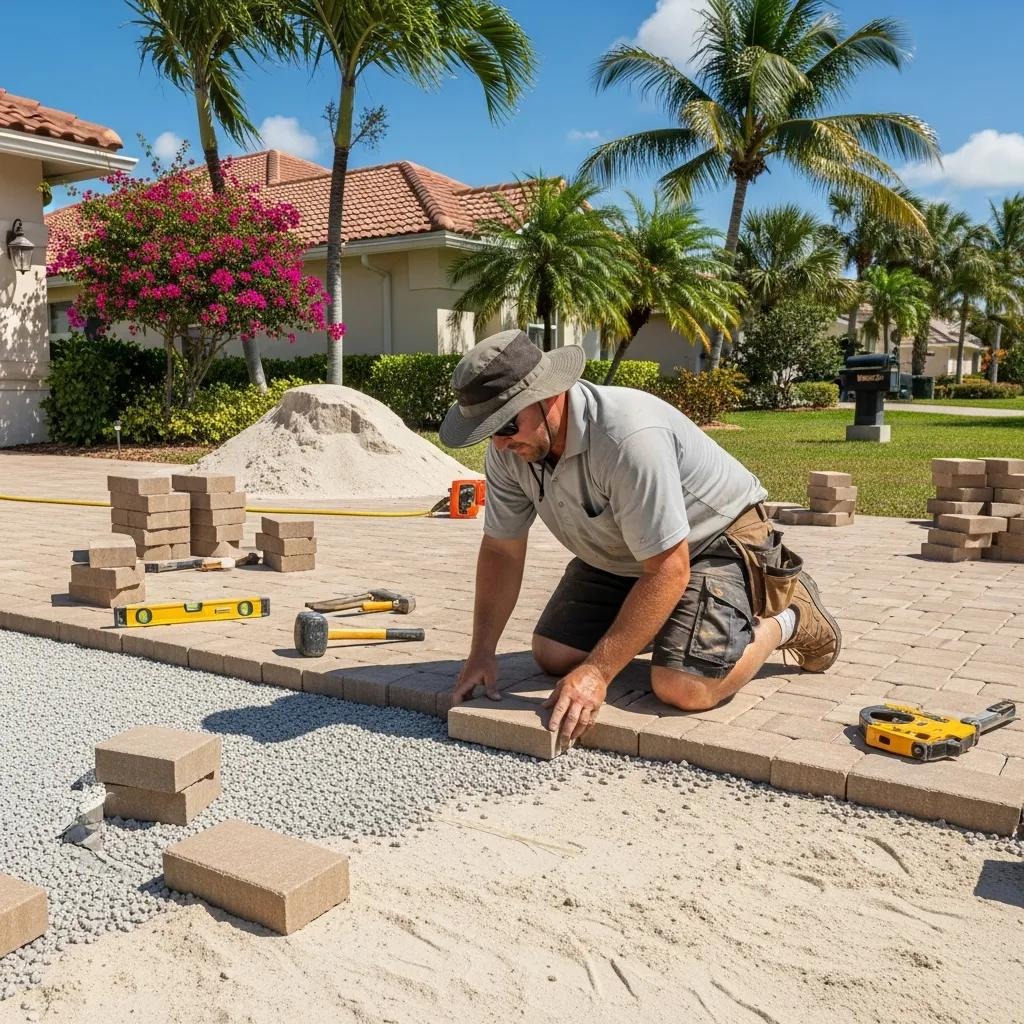
The installation process for pavers involves several critical steps to ensure durability and aesthetic appeal. Proper preparation and execution are essential for a successful project.
What Are the Recommended Installation Methods for Different Paver Types?
For concrete pavers, a dry lay method is often recommended, where pavers are placed on a compacted sand base without mortar. Brick pavers may require a more structured approach, including a compacted base of crushed stone and sand, but typically do not require a concrete base unless for heavy loads. Natural stone pavers typically need a mortar set installation or a well-prepared sand and stone base to secure them properly. Each method has its advantages, and the choice often depends on the specific paver type and the desired outcome.
How Can Florida Homeowners Prepare for Installation?
Homeowners can prepare for installation by assessing their site, selecting appropriate materials, and scheduling the project during a dry season to avoid complications from rain. Ensuring that the area is clear of debris and properly graded will facilitate a smoother installation process.
How Should Florida Homeowners Maintain and Seal Their Pavers for Longevity?
Maintaining pavers is crucial for preserving their appearance and functionality over time. Regular pavers cleaning and sealing can significantly extend the life of your pavers.
What Are Best Practices for Cleaning and Sealing Pavers in Humid Climates?
In humid climates like Florida, it's essential to clean pavers regularly to prevent mold and mildew growth. Using a pressure washer with a mild detergent can effectively remove dirt and grime. Sealing pavers every 2-3 years is recommended to protect against moisture and UV damage. Homeowners should choose a high-quality sealant designed for their specific paver type to ensure optimal protection.
How Often Should Pavers Be Sealed to Protect Against Florida Weather?
The frequency of sealing depends on the type of paver and the environmental conditions. Generally, concrete and brick pavers should be sealed every 2-3 years, while natural stone may require sealing every 3-5 years. Regular inspections can help determine when sealing is necessary based on wear and exposure to the elements.
What Environmental and Sustainability Factors Should Influence Paver Choice in Florida?
Sustainability is becoming increasingly important in construction and landscaping. Homeowners should consider the environmental impact of their paver choices.
How Do Permeable Pavers Help Manage Stormwater Runoff?
Permeable pavers are designed to allow water to infiltrate through the surface, reducing stormwater runoff and promoting groundwater recharge. This feature is particularly beneficial in Florida, where heavy rains can lead to flooding. By choosing permeable options, homeowners can contribute to better water management and environmental sustainability.
What Are the Latest Sustainable Paver Materials Suitable for Florida Homes?
Recent advancements in paver technology have led to the development of sustainable materials, such as recycled concrete and eco-friendly composites. These materials not only reduce environmental impact but also offer durability and aesthetic appeal. Homeowners should explore these options to align their landscaping choices with sustainable practices.